GUIDES
The Art of Chianti Wine
Sangiovese, hill towns, and the particular education of drinking well in the place where the wine was born.
Chianti is the most misunderstood wine in Italy. For decades it meant straw-covered flasks and cheap trattorias — a wine that asked nothing of you and delivered accordingly. Then the Chianti Classico producers got serious. They ripped out the inferior grapes, brought in the consultants, and started making Sangiovese the way the land had always been capable of producing it.
The result is one of the great wine regions on earth. The Classico zone — the historic heart between Florence and Siena — produces wines of extraordinary complexity and longevity. The best of them age for twenty years and improve every one of them. The estates that produce these wines are, in many cases, medieval properties that have been farming the same hillsides for five hundred years.
This is the guide to drinking Chianti properly — the estates worth visiting, the vintages worth seeking, and the hill towns worth staying in while you work your way through both.
THE ESTATES
Where the Wine is Made
Antinori nel Chianti Classico
The Antinori family has been making wine in Tuscany since 1385. Their Chianti Classico estate outside Bargino is housed in a spectacular modern winery built into the hillside — invisible from above, extraordinary from within. The Tignanello and Solaia produced here are among the most celebrated wines in Italy. Visits by appointment; the tasting room and restaurant justify the planning.
Castello di Ama
A medieval hamlet in Gaiole in Chianti that produces some of the most elegant Sangiovese in the Classico zone — and houses a serious contemporary art collection within its walls. The combination of great wine and serious art in a medieval setting is entirely LussoIQ. Visits available; book well ahead.
Badia a Passignano
An 11th-century Benedictine abbey surrounded by Antinori vineyards in the heart of the Classico zone. The Chianti Classico Gran Selezione produced here is among the finest expressions of the appellation. The Osteria di Passignano, adjacent to the abbey, holds a Michelin star and sources almost entirely from the surrounding estate.
Fontodi
A biodynamic estate in the Conca d'Oro — the golden valley near Panzano in Chianti — producing Flaccianello della Pieve, a pure Sangiovese that many consider the finest wine in the appellation. Giovanni Manetti farms the estate with a precision and philosophy that has influenced a generation of Chianti producers. Visits available by appointment.
WHERE TO STAY
Chianti's Finest

Castello di Spaltenna
Gaiole in Chianti, Tuscany
A 10th-century monastery above Gaiole in Chianti with Michelin-starred dining, two pools, and Sangiovese vineyards on every horizon.
"Chianti has a thousand beautiful places to stay. Castello di Spaltenna is one of the handful that actually feels like it belongs here."


Pieve Aldina
Radda, Chianti
A 10th-century bishop's estate, quietly restored — Tuscan cooking, estate wine, and rooms that ask nothing of you except that you stay longer.
"There are hotels that want you to be impressed. And then there are places that simply want you to stay a little longer. Pieve Aldina is the second kind — and it always wins."

Borgo San Felice
Castelnuovo Berardenga
A medieval hamlet restored as one of Chianti's most complete luxury experiences — Michelin kitchen included.
"The test of a great hotel is whether you think about it after you've left. At Borgo San Felice, you'll be thinking about it before the taxi reaches the main road."
TASTE THE TERRITORY
The LussoIQ Experience
Wine & Food Tour
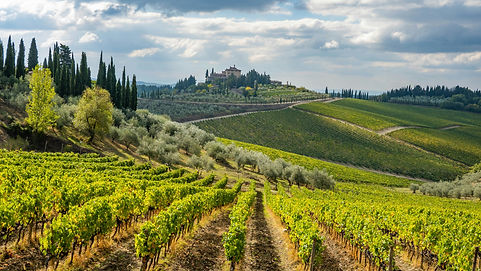
Private Chianti Backroads Wine Safari
The best of Chianti isn't on the main road. A private 4WD takes you through back roads, into cellars that have been producing wine for six centuries, and to a lunch table with views that justify the entire trip.
Best For:
Duration:
Wine Lovers · Adventurers
Full Day