
GUIDES
The LussoIQ Guide to
Val di Noto
Sicily's Baroque Heartland
In January 1693, an earthquake of almost unimaginable force destroyed the southeastern corner of Sicily. Sixty thousand people died. Entire cities collapsed in minutes. What followed — over the next half century — was one of the most concentrated episodes of architectural creation in European history. The towns were rebuilt not as they were, but as their builders imagined they could be. The result is the Val di Noto: eight towns, all UNESCO World Heritage Sites, all baroque, all extraordinary, all within an hour of each other on the Hyblean plateau above the southern Sicilian coast.
This is not a region you pass through. It is a region you slow down for.
THE TOWNS
Where to Base Yourself
Noto
Noto is the showpiece — a city built entirely in golden limestone in the early 18th century, its main corso a stage set of baroque facades that turns amber in the late afternoon light. The Cathedral of San Nicolò dominates the upper town; the garden of Via Nicolaci, lined with palazzi whose balconies are supported by sculpted monsters and mermaids, is one of the most extraordinary streetscapes in Italy. Come in May for the Infiorata — the street carpeted entirely in flower petals — or come in September when the crowds thin and the light is softer. Either way, arrive on foot and give yourself a full day.
Ragusa Ibla
Ragusa is technically two cities — the modern upper town and Ibla, the ancient lower settlement that was rebuilt after 1693 on its original medieval street plan rather than the rational baroque grid the other towns adopted. The result is labyrinthine, shadowed, and completely unlike anywhere else in the Val di Noto. The Cathedral of San Giorgio rises above it all — one of the masterworks of Sicilian baroque. Wander without a map. Get lost deliberately. Find the Giardino Ibleo at the eastern tip of the peninsula and sit there until the light changes.
This is also where you stay. Locanda Don Serafino — eleven rooms carved into the limestone rock, Michelin-starred restaurant below, wine cellar of over 2,000 labels — is the definitive address in the Val di Noto.
Book the Luxury Suite. Reserve the restaurant before you arrive.
Modica
Modica is famous for two things: its vertiginous baroque architecture and its chocolate. The chocolate came with the Spanish, who brought an Aztec recipe to Sicily in the 16th century — cold-pressed, grainy, spiced with cinnamon or chilli, made the same way ever since. The Cathedral of San Giorgio here rivals Ragusa's. The streets climb at angles that defeat comfortable shoes. Palazzo Failla, in the upper town, is where to stay — ten rooms in an 18th-century noble palazzo, frescoed ceilings, pitchstone floors, and a host who remembers your name before you give it.
Scicli
Less visited than the others and better for it. The Palazzo del Municipio here served as the Montelusa police headquarters in the Inspector Montalbano television series — its frescoed halls still feel faintly cinematic. The town sits at the junction of three valleys and the architecture climbs all three. Come in the afternoon when the light hits the facades directly and the tour buses have left.
Ragusa Province & The Countryside
Between the towns lies the Hyblean plateau — dry stone walls, carob trees, olive groves, and one of the most singular rural properties in Sicily. Eremo della Giubiliana, a fortified 15th-century hermitage outside Ragusa with a Bronze Age necropolis in the garden, a Michelin-starred kitchen, and its own private airstrip, is what you book when you want the Val di Noto without the town. The Suite with Terrace looks out over the plateau to the coast. On clear days, you can see Malta.
WHERE TO STAY
Val di Noto's Finest

Locanda Don Serafino
Ragusa Ibla
Eleven rooms carved into the limestone of Ragusa Ibla, a Michelin-starred restaurant below, and a wine cellar with over 2,000 labels — the La Rosa family's love letter to Sicily, two decades in the making.
"The restaurant is below your feet. The UNESCO baroque is outside your door. There is nowhere better to be."


Good to Know
When to Go
Late April through June, and September through October. July and August are hot, crowded, and uncompromising — the Sicilian sun on pale limestone in midsummer is not for everyone. Spring brings the Infiorata in Noto and wildflowers across the plateau. Autumn brings harvest, cooler evenings, and the particular golden light that makes the baroque towns look like they were designed specifically for it. They were.
Getting Around
A car is essential. The towns are close together but not walkable between them, and the countryside — the Eremo, the coast at Punta Secca, the vineyards — requires independence. Rent in Catania or Syracuse, both under two hours away. The roads on the Hyblean plateau are quiet, well-maintained, and genuinely beautiful to drive.
How Long to Stay
Three nights minimum. Four is better. Five means you've understood what the Val di Noto is for.
The Montalbano Connection
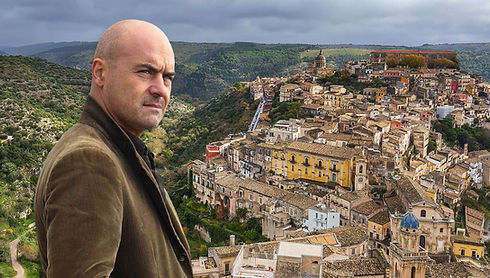
The Inspector Montalbano television series — twenty years of episodes, filmed almost entirely across the Val di Noto — introduced these towns to an audience of millions who had never heard of them. Ragusa Ibla became Vigata. Scicli became Montelusa. Punta Secca, on the coast south of Ragusa, became the location of Montalbano's whitewashed villa above the lighthouse. The series ended in 2021 but the locations remain, and the private Montalbano tour that covers all of them — Ragusa Ibla, Scicli, Modica, Punta Secca — remains one of the most enjoyable full days you can spend in southeastern Sicily, whether you've watched a single episode or not.
ON THE TELLY
The LussoIQ Experience
Private Tour
Commissario Montalabano Tour
The baroque towns of Val di Noto served as the backdrop for Italy's most beloved detective series. This private full-day tour follows the inspector through Ragusa Ibla, Scicli, Modica, and Punta Secca — UNESCO heritage and cinematic legend in one day.
Best For:
Duration:
Montalbano fans
Full-day